Where should a porta potty go on a job site or event?
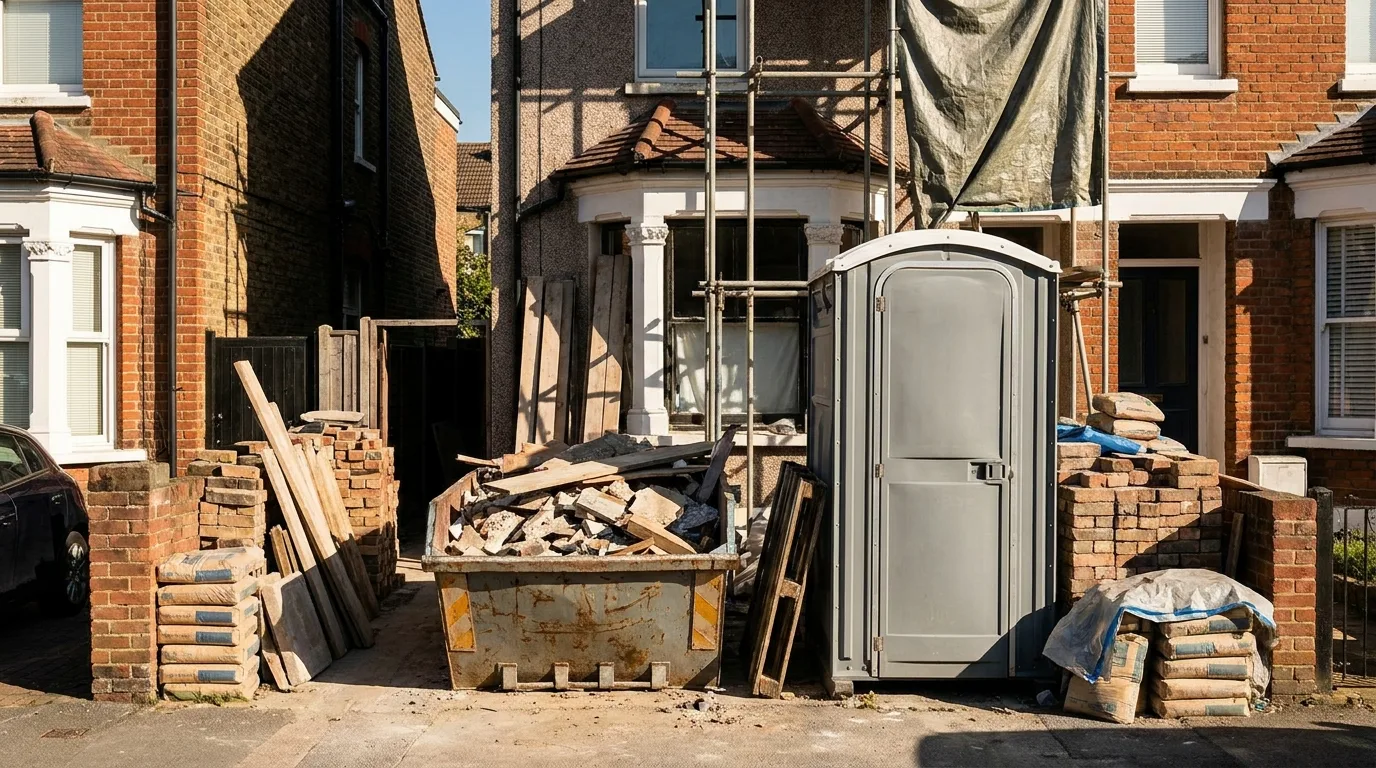
Set it on level, firm ground first. ADA Standards section 302.1 calls for stable, firm, slip-resistant surfaces, and that rule is worth following even on a non-accessible unit because it keeps the base from sinking after a rain. A standard porta potty rental footprint runs about 44 by 48 inches, so give it a pad a little larger than that, ideally gravel or pavement rather than bare dirt. Keep it out of drainage paths. Salinas soil holds water longer than sandy ground, and a unit sitting in a puddle gets harder to service and starts to smell faster, which is its own common complaint. Leave the service technician a straight approach: no fences, no parked equipment blocking the truck's route to the tank. If you are placing several units for a crew, check the placement guidance built into sizing before you commit to a layout, since moving units after delivery usually costs more than getting it right once.
What are the porta potty placement rules for accessibility?
At least one accessible unit is required whenever units are clustered, per ADA Standards section 213.2, which sets the ratio at 5 percent of the total, never fewer than one. An ADA accessible porta potty needs a 60 inch turning circle in front of the door under ADA Standards section 304.3.1, plus a 36 inch clear route per ADA Standards section 403.5.1 and a 32 inch door opening per ADA Standards section 404.2.3. That means the accessible unit needs more flat pad than a standard one, and it needs to sit at the front of any row, not tucked behind other units where the turning circle gets blocked. Reach ranges matter too: ADA Standards section 308.2.1 sets the usable reach between 15 and 48 inches, which affects where dispensers and locks sit inside the unit. If your event has a stage or vendor row, place the accessible unit on the same accessible route as everyone else, not on a separate gravel path. Full detail lives on the ADA restroom requirements page.
Does dumpster or storage container placement follow different rules?
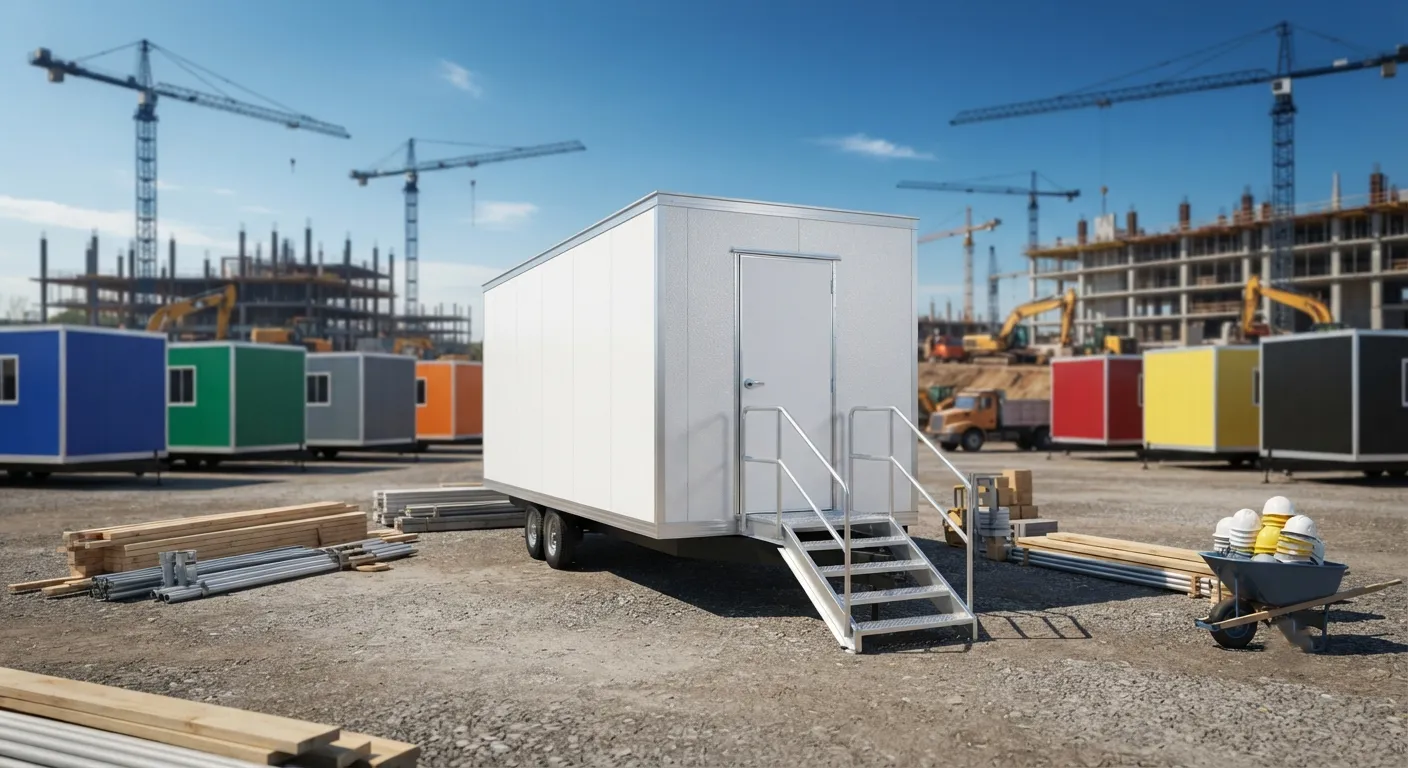
Yes, and the constraints are heavier for rolling equipment. A roll-off dumpster rental needs about 60 feet of straight clearance behind the truck for delivery, so a driveway or alley that curves tight will not work. If the container sits on a city street or sidewalk in Salinas rather than on private property, placement in the public right of way needs confirming with the city before delivery, since that call depends on the specific block and is not something to guess at. Dumpster placement permit cost and whether a dumpster placement permit applies at all both depend on that same right-of-way question, so it is worth resolving before the truck shows up, and the dumpster permit requirements page walks through what to ask. A storage container rental or 40ft storage container needs similar clearance plus level ground to keep doors swinging freely; a mobile office trailer rental with mobile office trailer replacement doors on order should stay parked somewhere the door swing will not hit scaffolding or fencing.
How does placement affect service and access for the crew?
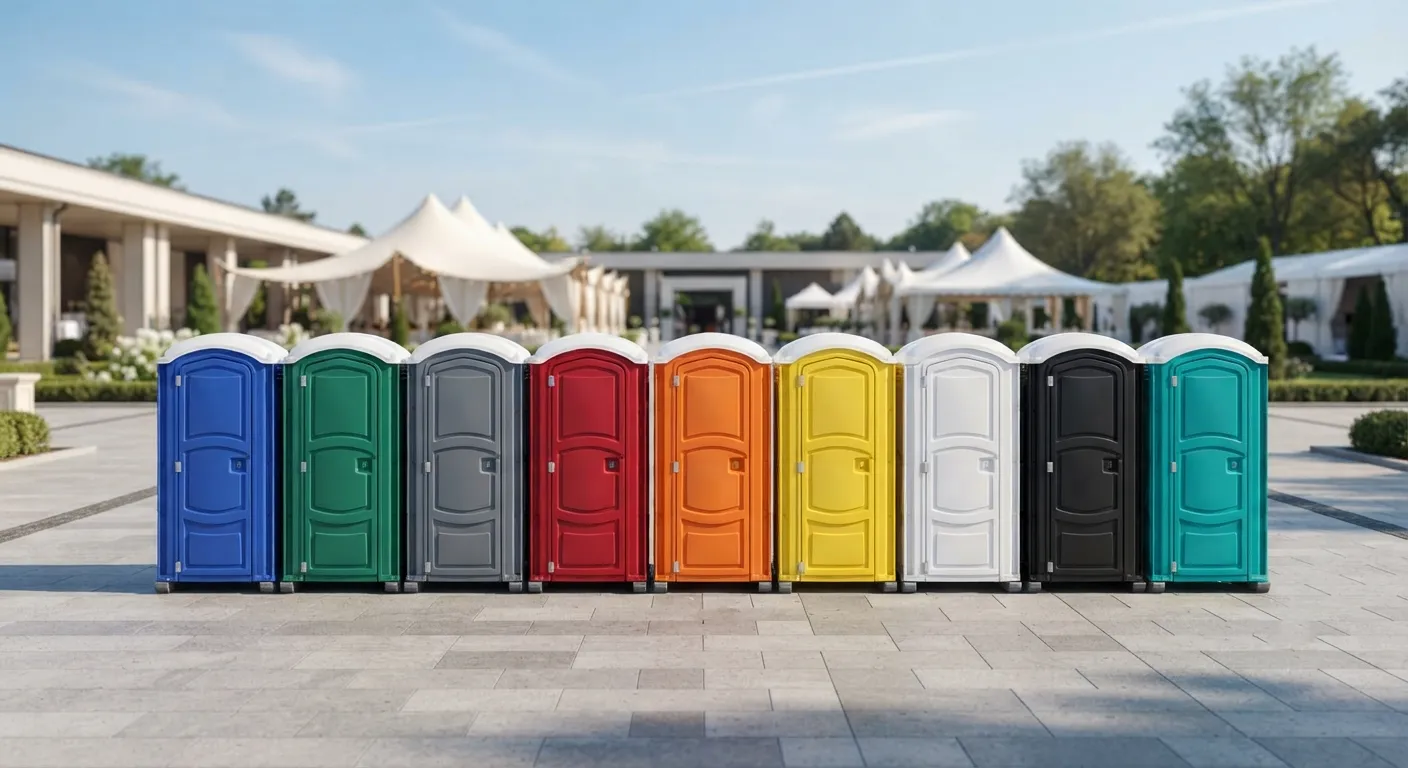
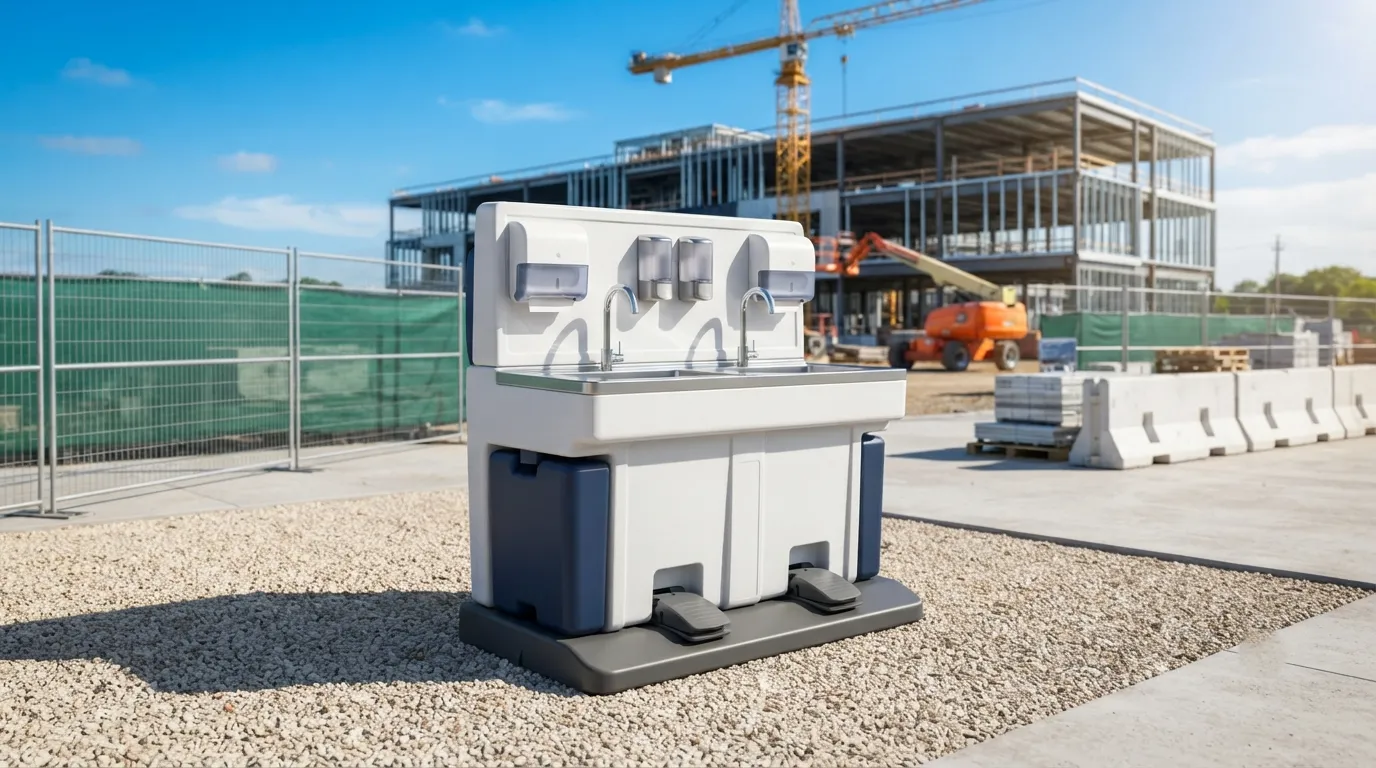
OSHA 1926.51(c) sets toilet counts by crew size on construction sites: one facility for 20 workers or fewer, then one toilet seat and one urinal per 40 workers as the crew grows past that, and one per 50 once you hit 200 or more. That ratio only works if units sit close enough to the work that people actually use them, so spread portable restroom rental units across a large site rather than clustering them all at one gate. ANSI/PSAI Z4.3 sets the baseline service interval at once a week for up to 10 users over a 40 hour week, and the technician needs a clear path back to each unit every visit. Keep temporary fence rental lines and crowd control barrier rental panels far enough back that they do not box a unit in. If a handwashing station rental sits nearby, remember 29 CFR 1910.141(d)(2) requires soap and towels or a dryer, not just sanitizer, and an Ozark River portable sink replacement parts search usually means the pump or spigot needs swapping, which a technician can handle on a routine stop if the unit is reachable.
Do I need a permit to place a porta potty on my property?
For a job site or private lot in Salinas, usually not, but placement at the curb or in a public right of way needs confirming with the city first. Check the porta potty permit requirements page before delivery day, especially for street-facing events.
How far from the work area should a unit sit?
Close enough that workers will actually walk to it. OSHA 1926.51(c) sets the count, not the distance, but a unit more than a couple minutes' walk away gets skipped. Spread units across a large Salinas site instead of clustering them at one entrance.
Can a porta potty sit on gravel or dirt?
Gravel works well; bare dirt is riskier after rain. ADA Standards section 302.1 calls for stable, firm, slip-resistant ground, and that same logic protects a standard unit from sinking or tipping over a multi-week rental.
What about septic pumping for a jobsite holding tank?
A septic pumping service needs the same truck clearance as a dumpster delivery. Residential tanks typically get pumped every 3 to 5 years depending on size and household use; a jobsite holding tank runs on a tighter schedule tied to crew size instead.
How much clearance does a roll-off dumpster need at delivery?
Plan on roughly 60 feet of straight clearance behind the truck. Tight alleys or curved driveways in older Salinas neighborhoods often do not have that, so measure before booking a 10 yard dumpster rental or larger.
Next step
Get a delivery date
Tell us the address, the dates and the headcount. We size the order and confirm the route.