
How often does a septic tank need pumping?
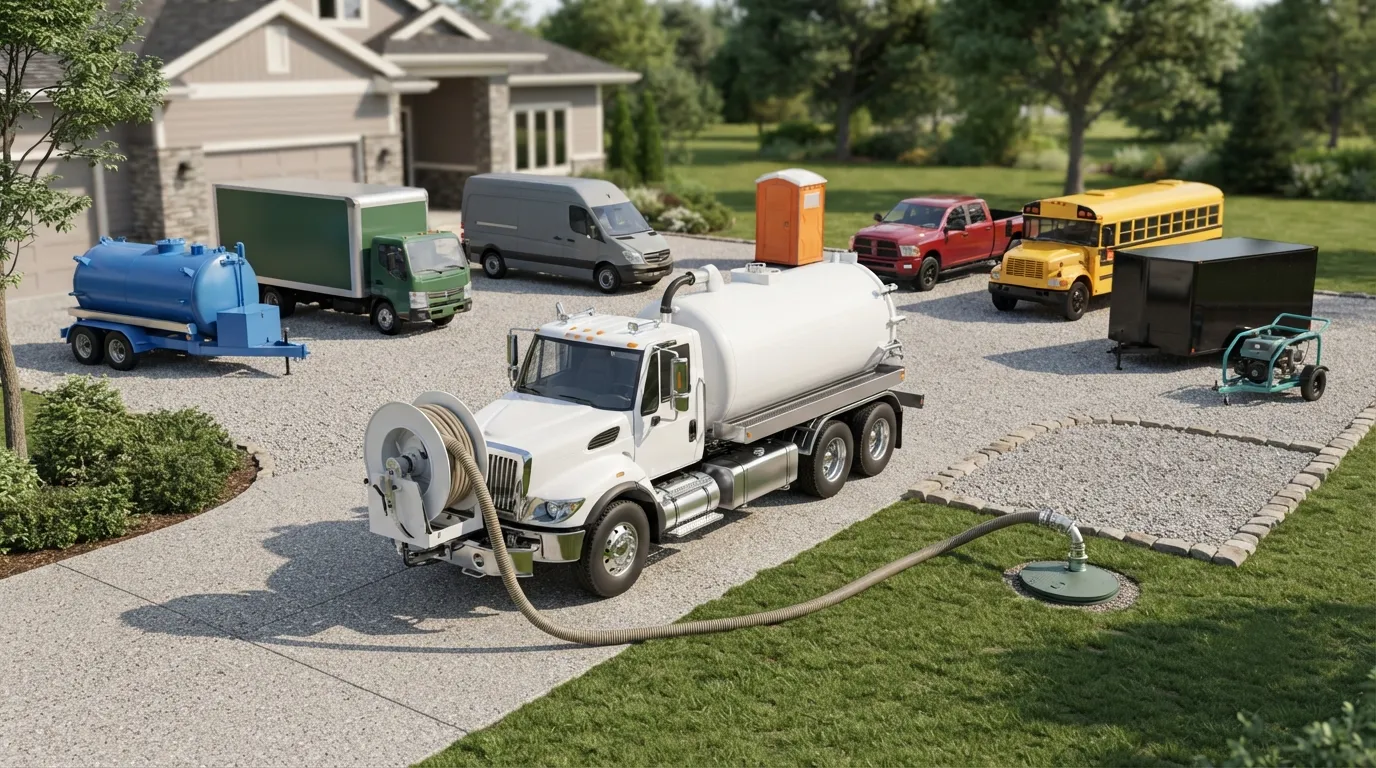
The honest answer: it depends on the tank and the household, not the calendar. A residential septic tank is typically pumped every 3 to 5 years, driven by tank size and how many people are flushing daily. A family of five puts more load on a 1,000 gallon tank than a retired couple does, and that shortens the interval. Garbage disposals, long showers and laundry habits all matter too, and the same load factors shape monthly porta potty rental planning on a job site. If you've never had the tank serviced and you're not sure how old the system is, that's the moment to call rather than wait for a backup. Salinas Porta Pros checks scum and sludge layers on every visit, so you get pumped on need instead of a guess. For a full breakdown of what drives the timeline, see how often to pump a septic tank. Homes on well water or with older leach fields in outlying parts of Salinas sometimes need shorter intervals, and a technician can tell you that on site, the same way a visit for porta potty rental in Salinas starts with a site check. If warning signs show up early, don't wait for the "normal" schedule; get it looked at.
What are the warning signs a septic tank needs pumping?
Slow drains in more than one fixture, sewage odor near the tank or drain field, and standing water on the leach field are the big three. If a toilet gurgles when the washing machine drains, or drains that used to be fast start backing up, the tank may be near capacity, much like a portable restroom rental unit signals it needs service when it starts smelling early. Grass that's suspiciously green and lush over the drain field, especially compared to the rest of the yard in Salinas, can mean effluent is surfacing. A sewage smell inside the house, particularly near floor drains, is not something to sit on, and it deserves the same urgency as an emergency porta potty rental call on a busy site. Full detail on what to watch for lives at septic tank warning signs. Waiting past these signs usually means a backup into the house, which costs more than a routine pump. If you're dealing with an active backup right now, emergency septic service is the faster path. Salinas Porta Pros also handles septic tank cleaning when a tank has gone past due and needs more than a straight pump-out.
What does a septic pumping service include?
A pumping visit isn't just sucking out liquid. The technician locates and uncovers the tank lid, measures the scum and sludge layers, pumps the tank down, and does a visual check of baffles and the outlet tee while it's open. Any obvious cracks, root intrusion or a failing baffle get flagged before the lid goes back on, the same close look a porta potty rental checklist walks through before a job starts. Access matters here: if the lid is buried under landscaping or a deck, that adds time and sometimes cost, so knowing where your tank sits before the truck shows up helps, similar to confirming clearance before a roll-off dumpster rental delivery. Homes that have gone years without service sometimes need a closer inspection or a follow-up with septic tank cleaning if solids have built up in the outlet. Restaurants and commercial kitchens have a separate concern: a grease interceptor is pumped when fats, oils, grease and solids reach 25 percent of the liquid depth, and that's a different service covered under grease trap pumping. For general property sanitation during a septic project, some Salinas customers also rent a handwashing station rental or a temporary portable toilet rental unit while the system is offline.

How much does septic tank pumping cost?
Pricing depends mostly on tank size, access, and how much buildup has accumulated, the same variables that drive porta potty rental cost estimates. A standard visit runs in the range below, and weekend scheduling in Salinas typically adds a premium over a weekday slot.
| service | duration | low | typical | high |
|---|---|---|---|---|
| septic pumping | day | 150 | 250 | 300 |
| septic pumping | weekend | 50 | 100 | 150 |
That weekend figure reflects a shorter service call rather than a full pump-out; a full 1,000 gallon tank pumping on a weekday falls in the day range above. Tanks with hard-to-reach lids, multiple compartments, or heavy solids buildup can push toward the high end, much like a porta potty rental per day quote rises with tricky delivery access. For a wider look at what shapes septic costs across tank sizes and site conditions, see septic tank pumping cost. If your property also needs dumpster service during a septic or leach field repair, roll-off dumpster rental and 10 yard dumpster rental cover the excavation debris side of the job.
Does Salinas Porta Pros pump holding tanks too?
Yes. Holding tanks work differently than septic tanks. There's no drain field and no bacterial treatment, just storage, so they need pumping on a fixed schedule based on tank size and use rather than a 3 to 5 year window, the same logic behind service intervals for a porta john rental on a busy crew. Construction sites, remote properties without a leach field, and events around Salinas often run on holding tanks instead of a full septic system, often alongside construction site services or an event restroom rental setup. If you're setting one up for a job site or a property that can't support a drain field, see holding tank rental for setup details. Event sites near Salinas that need sanitation without hooking into a fixed septic system often pair a holding tank with restroom trailer rental or a bank of standard porta potty rental units. Farms in the Salinas Valley frequently use holding tanks for field crews too; see farm and agricultural restrooms for that setup. Field sanitation for hand-labor agricultural employees falls under OSHA 1928.110, which calls for potable water, toilets and handwashing within a quarter mile walk of the work area.
What happens in a septic emergency?
A backup into the house, a tank overflowing into the yard, or sewage surfacing on the drain field all count as emergencies, and none of them wait for a convenient time. Salinas Porta Pros runs emergency septic service for exactly this. The fastest thing you can do while waiting for the truck: stop using water in the house, the same first step covered in OSHA portable toilet requirements for keeping a site compliant during an outage. No laundry, no dishwasher, no long showers. That buys time and keeps the problem from getting worse. If the backup has already reached living space, a wet vac and towels handle the immediate mess, but the tank still needs to be pumped and inspected before anyone uses the plumbing normally again, and a hand sanitizer station rental can cover hygiene in the meantime. Older systems around Salinas and nearby Spreckels, about 6.0 miles south, sometimes have aging baffles or root intrusion that turns a routine pump into a same-day repair referral. Commercial kitchens facing a grease interceptor emergency should look at grease trap pumping rather than standard septic service, since the two systems handle different waste streams entirely.
How much does it cost to pump a 1,000 gallon septic tank?
A standard pump on a 1,000 gallon tank falls in the day-rate range for septic pumping service, with weekend calls priced differently than weekday visits. Tank access, buildup, and whether the lid needs to be uncovered all affect where in that range a job lands. See septic tank pumping cost for the full picture.
How do I know if I have a septic tank or a holding tank?
Check your water bill and property records first; a holding tank has no drain field and needs far more frequent pumping since nothing leaves the tank except by truck. If you're not sure, a technician can confirm on site. Holding tank rental covers setup for properties that need one.
Can I use household chemicals to extend time between pumpings?
No chemical additive replaces physical pumping. Solids don't dissolve away; they settle and accumulate regardless of what gets poured down the drain. The 3 to 5 year window in how often to pump a septic tank still applies.
What size tank do I have if I don't know?
Tank size is usually on the original permit or in county records tied to the property. Salinas Porta Pros can also estimate size from the tank dimensions once it's uncovered during service, before committing to a full septic tank cleaning.
Is septic pumping different from a portable toilet holding tank?
Yes. A standard portable toilet holding tank runs 60 to 70 gallons and gets serviced on a route schedule, while a septic tank serves an entire house and holds far more volume. See standard porta potty rental for unit specs.
Does Salinas Porta Pros serve areas outside Salinas?
Yes, including Boronda 4.0 miles west and Castroville 11.3 miles northwest. Check service areas for the full list, or request a quote directly for your property.
Next step
Get a delivery date
Tell us the address, the dates and the headcount. We size the order and confirm the route.