
How many restrooms does a farm crew need?
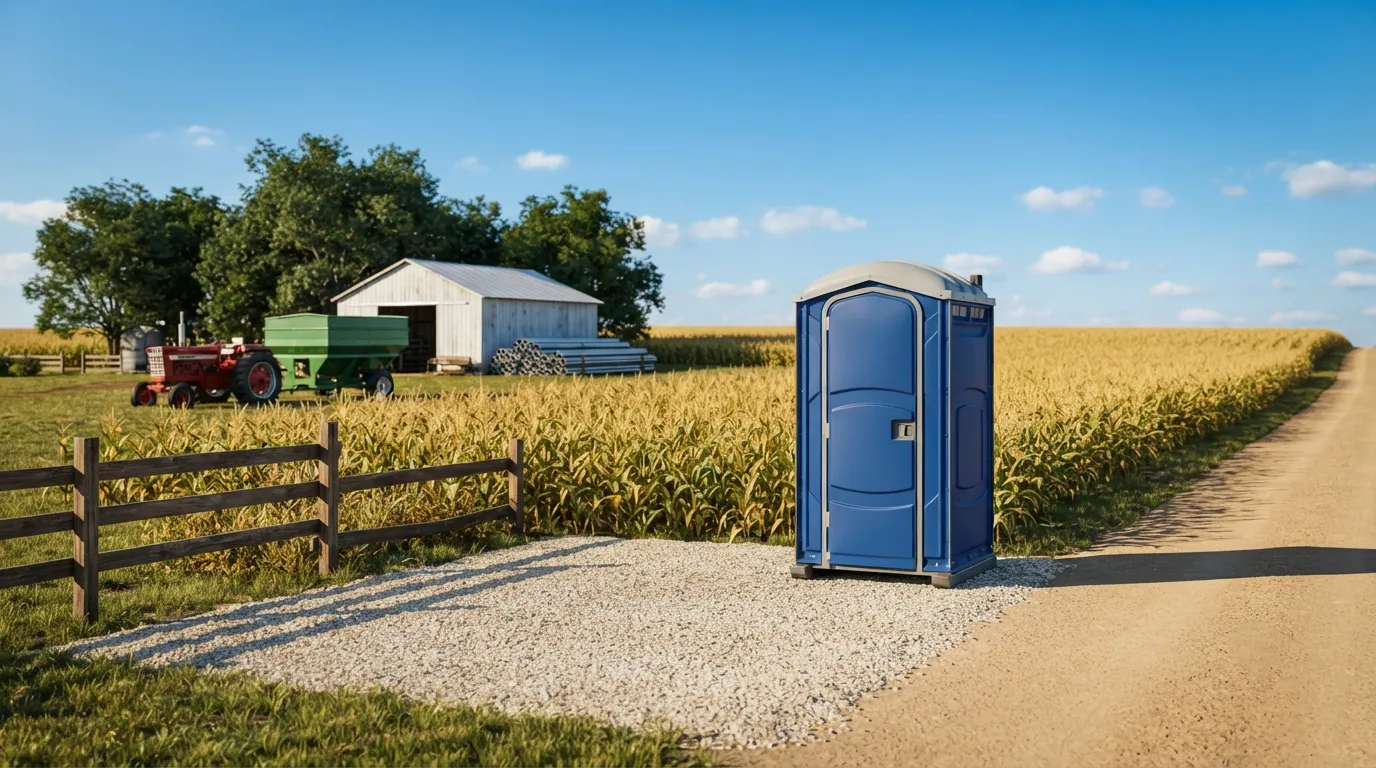
Federal rule is simple math: OSHA 1928.110 requires one toilet facility per 20 hand-labor employees, plus potable water and a place to wash up, all within a quarter mile walk of where people are working. That is the field sanitation standard, and it is not optional once you have crews out picking or thinning. A 40-person crew needs two units minimum. A 100-person harvest crew needs five, spread so nobody hikes half a mile between rows to find one.
Salinas ag land runs from tight coastal plots to sprawling row-crop acreage, and placement matters as much as count. If your crew works multiple blocks a quarter mile or more apart, you need portable toilet clusters at each work zone, not one bank of units at the entrance. We handle that kind of spread-out delivery routinely, and it is worth reading our porta potty placement guide before harvest starts so you are not moving units mid-season. Most ag accounts run standard porta potty rental units on a monthly basis, since the crew and the acreage stay put for weeks at a time. If you are budgeting ahead of season, check monthly porta potty rental pricing before you commit to a headcount.
Water matters too. OSHA 1926.51(a)(1) calls for an adequate supply of potable water at any place of employment, and field sanitation folds handwashing into that same requirement. We pair toilet units with handwashing station rental or a portable sink rental so crews have soap and water at the row, not just a jug on a truck tailgate.
What do farm restrooms need to include?
A standard unit alone does not satisfy the field sanitation rule. You need toilets, potable water, and handwashing, all within that quarter mile radius, and all serviced often enough to stay usable through a full harvest week. A standard unit carries a 60 to 70 gallon holding tank and stands about 92 inches tall on a 44 by 48 inch footprint, small enough to drop at the edge of a field without eating into planted rows.
Service frequency is where a lot of ag accounts go wrong. The baseline service interval under ANSI/PSAI Z4.3 is once a week for up to 10 users over a 40 hour week, but a full crew cycling through a unit all day pushes past that fast. Ask about twice-weekly service during peak harvest, especially for units near packing operations where traffic is heavier. If crew members handle pesticide-treated crops or equipment gets sprayed down near the restroom area, OSHA 1926.51(f)(1) requires washing facilities for anyone applying herbicides or insecticides, separate from general field sanitation washing. That is a different trigger than the everyday handwashing requirement, and it is worth flagging to your crew lead if chemical application is part of the job.
Some operations also need a holding tank rental for wash water or a septic pumping service if there is an existing system on the property feeding a farmhouse or bunkhouse. A residential-scale septic tank is typically pumped every 3 to 5 years depending on tank size and household load, so if you have permanent housing on-site, it is worth checking how often to pump a septic tank rather than waiting for a backup. Farms running a commercial kitchen or packing line with food prep should also look at grease trap pumping, since a grease interceptor needs pumping once fats, oils and solids hit 25 percent of the liquid depth.
Where should units go on ag land?
Close to the work, out of the way of equipment, and reachable by a service truck. Salinas sits at the center of a farming region that stretches toward Boronda four miles west and Spreckels six miles south, and we deliver to operations across both. A roll-off delivery needs about 60 feet of straight clearance behind the truck, and the same clearance logic applies to servicing porta potties on tight field access roads, so tell us up front if your entry road is narrow or gated.
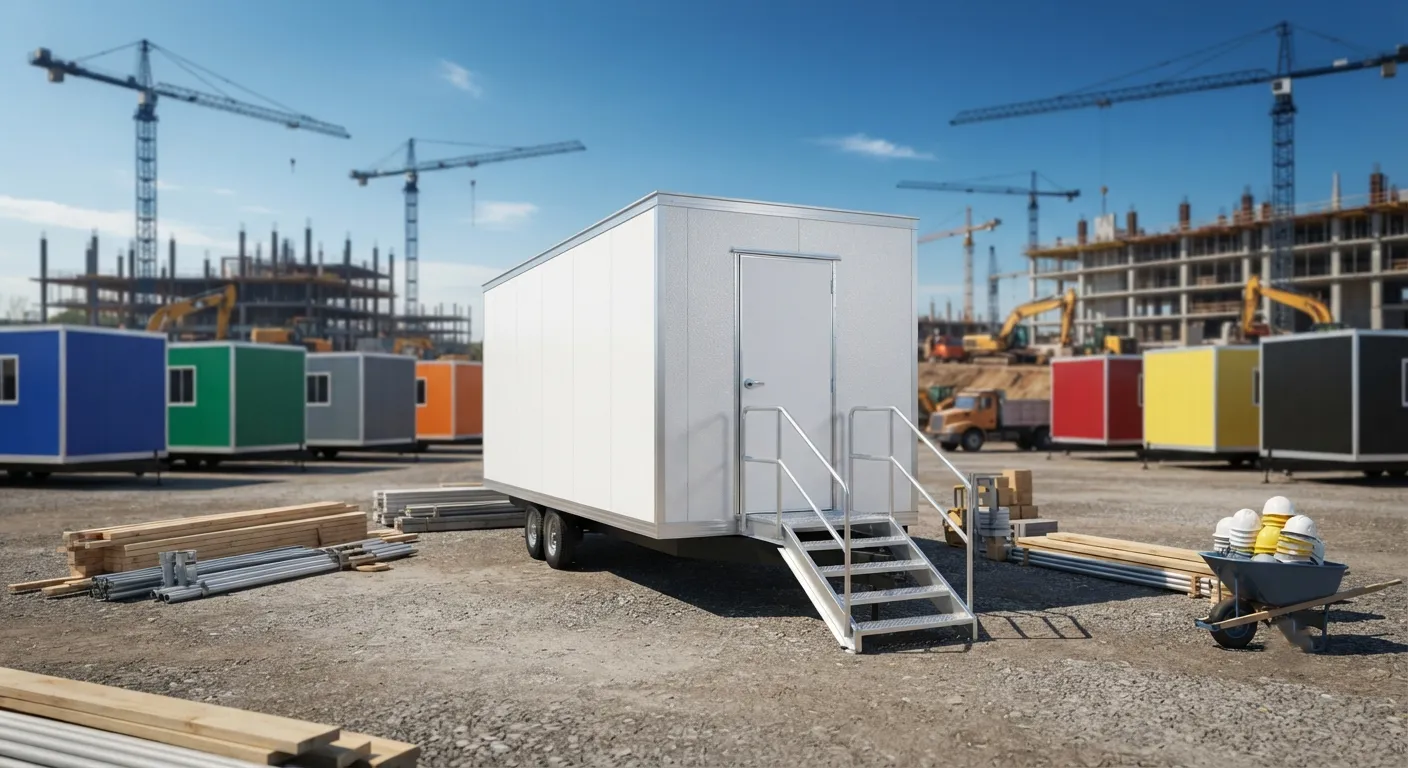
If you run a mixed operation with packing sheds, cold storage or a farm stand alongside the fields, you may also need a roll-off dumpster rental for crop waste and packing debris, or a storage container rental for tools and supplies between seasons. Larger operations hosting buyers or hosting a harvest event sometimes add a restroom trailer rental for a more finished setup. For general OSHA guidance beyond field sanitation, our OSHA portable toilet requirements page covers the construction-site ratio under OSHA 1926.51(c), which some ag operations reference for packing crews working under a permanent structure.
How often do farm restrooms get serviced?
Weekly is the baseline for light use, but a full crew working an 8 to 10 hour day usually needs twice-weekly service to keep tanks from filling mid-week. Tell us your crew size and shift length and we will set an interval that matches actual use, not a guess.
Do we need handwashing stations separate from the toilets?
Yes. Field sanitation rules call for potable water and handwashing within the same quarter mile as the toilet units, not bundled into one unit. We usually deliver a standalone handwashing station or portable sink alongside each toilet cluster.
How far will Salinas Porta Pros travel for a farm delivery?
We serve ag land throughout the Salinas growing region, including sites near Castroville, 11.3 miles northwest, and Marina, 13.4 miles west. Tell us your field location and access road width when you request a quote.
Can we rent restrooms for just harvest season?
Yes. Most ag customers rent monthly through the harvest window rather than committing long-term, and units get pulled once picking wraps. Seasonal accounts are common and pricing reflects the shorter commitment.
What happens if a unit needs to move mid-season?
Tell us before the crew shifts to a new block. We can relocate units between fields, but moves work better scheduled ahead of a service visit than as a same-day request.

Next step
Get a delivery date
Tell us the address, the dates and the headcount. We size the order and confirm the route.