
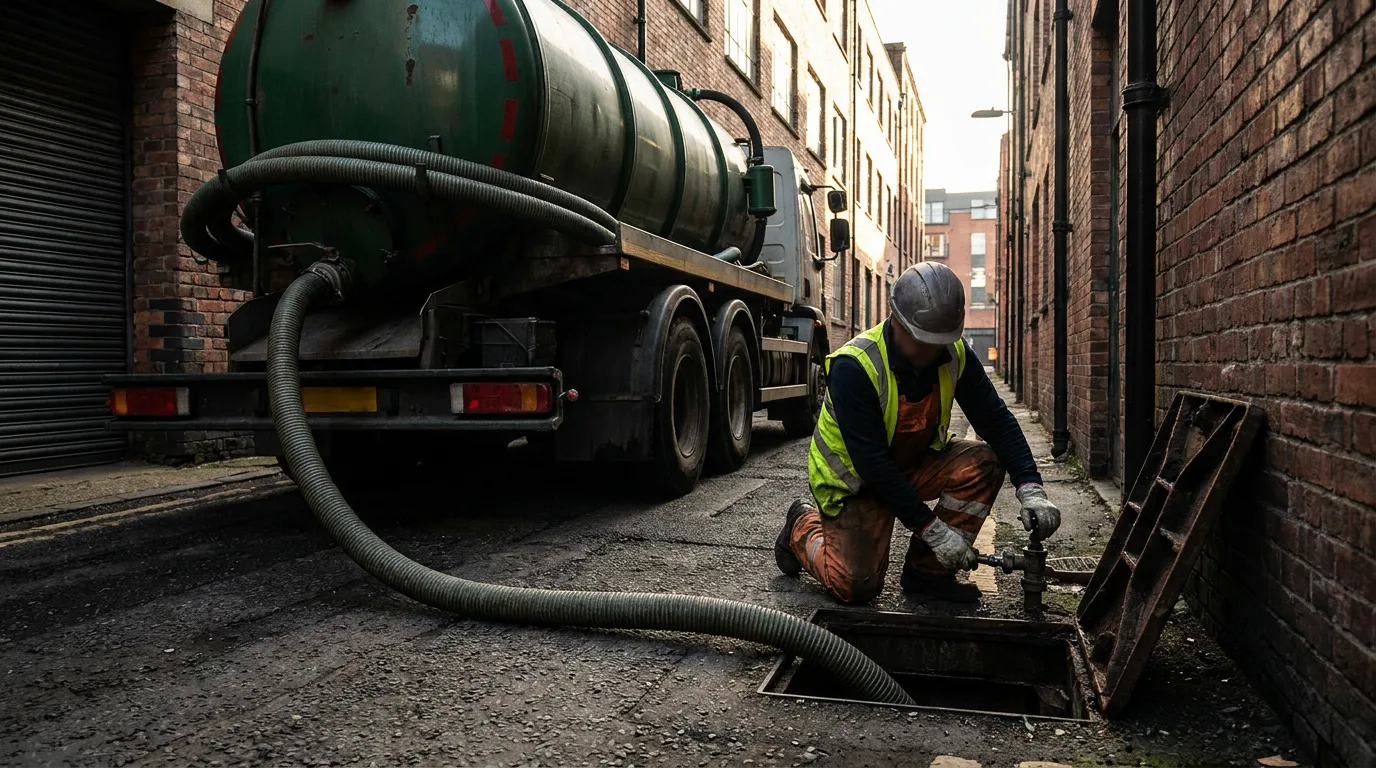
How Often Does A Septic Tank Need Cleaning?
The honest answer is: it depends on how many people live in the house and how big the tank is. A 1,000 gallon tank serving a family of four in Salinas fills differently than the same tank serving two people. The 3 to 5 year window is the baseline, but heavy laundry days, frequent guests and garbage disposal use all shorten it. If you have never had the tank pumped and you have owned the house more than 5 years, that is a good sign to call now rather than wait for septic tank warning signs to show up in the yard. Salinas Porta Pros handles septic pumping service across the property, and a straightforward pump job runs inside the pricing shown on our septic tank pumping cost page. Waiting too long costs more than the pump truck. A backed-up drain field is a different repair bill entirely, and it is the one homeowners in Salinas most regret ignoring, right up there with skipping septic tank cleaning altogether.
Why Does Septic Tank Cleaning Frequency Change?
Tank size is half the equation. Household size, water use habits and what goes down the drain make up the other half. A garbage disposal adds solid waste that a tank without one never sees, and that alone can shave a year or more off the interval. Renting a property out, running a home business with extra restroom traffic, or adding a bedroom without upsizing the tank all push frequency higher. Grease is its own problem: a grease interceptor gets pumped once fats, oils, grease and solids reach 25 percent of the liquid depth, and a septic tank follows the same basic logic even without a formal interceptor. If your Salinas property runs anything commercial on-site, from a farm stand to a home kitchen, look at grease trap pumping as a separate service from tank pumping. Homes near Boronda, about 4.0 miles west of Salinas, and Spreckels, about 6.0 miles south, see the same variation. Soil type and tank age matter too, and neither shows up until someone opens the lid, which is one reason how many porta potties do I need planning matters for temporary sites without a fixed tank.
What Happens If You Skip A Pumping Cycle?
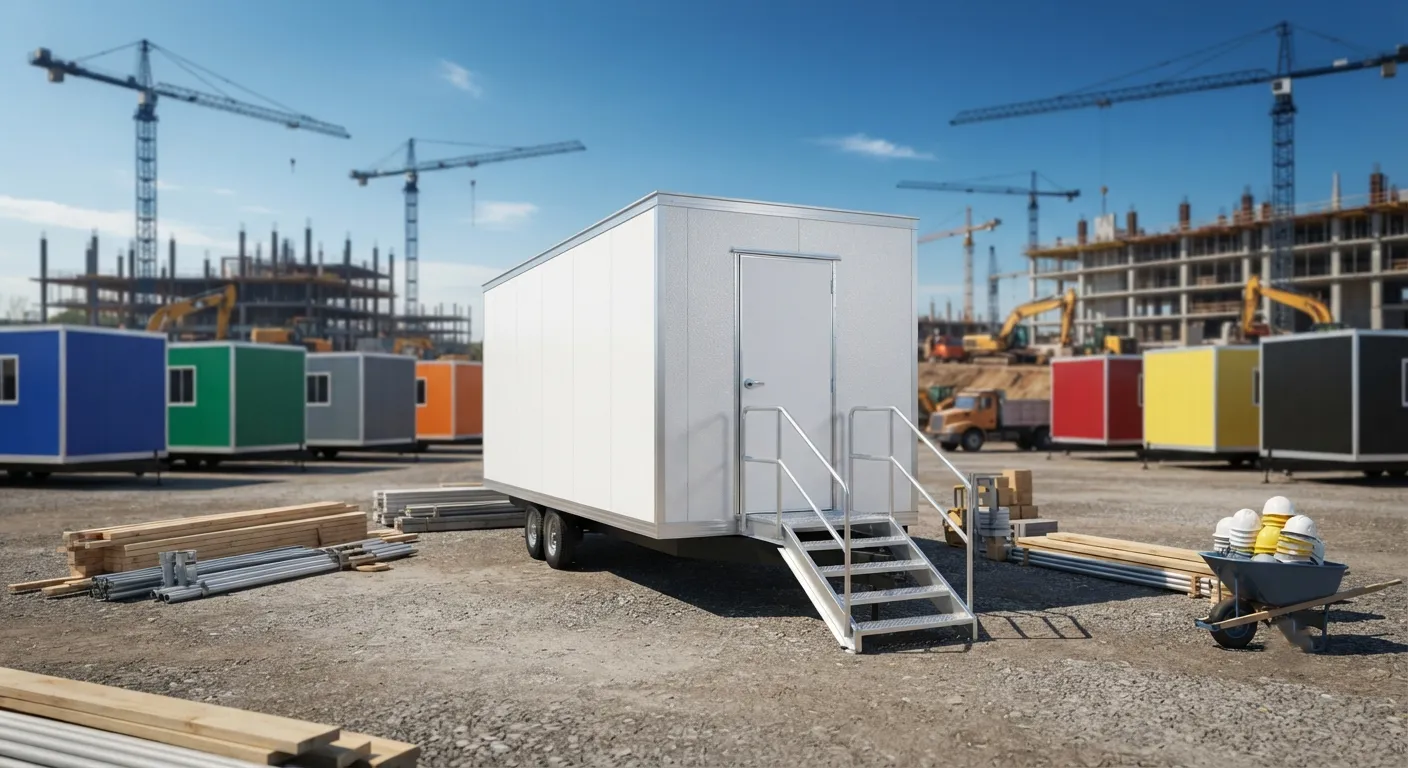
Skipping a cycle does not usually mean instant disaster, but it does mean the solids layer keeps building until it reaches the outlet pipe. Once that happens, solids move into the drain field, and a drain field repair costs far more than a pump truck visit ever would. Slow drains, gurgling pipes and standing water near the tank are the signs that frequency has already slipped, similar to the checklist covered in porta potty rental checklist planning for other site sanitation needs. Check septic tank warning signs if any of that sounds familiar. For situations that cannot wait for a scheduled visit, emergency septic service covers same-day response. Construction crews and event sites in Salinas without permanent plumbing often rent a holding tank rental instead of relying on a fixed tank, which sidesteps the pumping question entirely for the length of a project. Anyone building out a new structure should also compare notes with a construction site services plan before assuming the existing septic system can handle added load, and check OSHA portable toilet requirements if the crew needs interim facilities.

Should Commercial Properties Pump More Often Than Homes?
Yes, in most cases. A restaurant, farm operation or event venue pushes far more volume through a tank than a household does, so the interval shrinks accordingly. Agricultural operations around Salinas also fall under different sanitation expectations: OSHA 1928.110 covers field sanitation for hand-labor employees, requiring potable water, toilets and handwashing within a quarter mile walk, at one facility per 20 employees. That standard applies to portable facilities on farmland, not to septic tank intervals directly, but it signals how seriously agricultural sites need to plan sanitation capacity. Farms weighing portable options alongside a fixed septic system should look at farm and agricultural restrooms, and a standard porta potty rental often covers the gap between pumping cycles. Event venues face a similar math problem: a wedding or festival crowd can overwhelm a residential-grade tank in a single weekend, which is why most venues in Salinas pair septic service with rented units through event restroom rental or festival restroom rental rather than leaning on the tank alone.
| Property type | Typical pumping interval |
|---|---|
| Household, 1-2 people | Closer to 5 years |
| Household, 4+ people | Closer to 3 years |
| Home with garbage disposal | Shorter end of 3 to 5 years |
| Commercial or event site | Site-specific, usually annual or more frequent |
How do I know if my tank is due?
Slow drains, gurgling toilets, or wet patches near the tank lid are the clearest signs. If it has been 3 to 5 years since the last pump, or you do not know the last pump date, schedule an inspection. Salinas Porta Pros can check tank levels during a routine visit, and if the schedule slips, an emergency porta potty rental keeps a household or job site covered in the meantime.
Does tank size affect the schedule?
Yes. A smaller tank with heavy household use fills faster than a large tank with light use. The 1,000 gallon size common in Salinas homes generally supports the standard 3 to 5 year window, but actual fill rate depends on daily water use.
Can I extend the interval by using less water?
Somewhat. Spreading out laundry loads and fixing leaks reduces the load on the tank, but solids still accumulate regardless of water volume. Pumping frequency is driven more by solids buildup than by water use alone, much like handwashing station requirements depend on headcount rather than water pressure.
What is the difference between septic pumping and cleaning?
Pumping removes liquid and settled solids from the tank. Cleaning can include jetting lines or checking the drain field. Most residential visits are a standard pump, covered under septic tank cleaning, unless a specific blockage is found.
Is a garbage disposal a problem for septic systems?
It adds more solid waste to the tank, which shortens the pumping interval. Homes without a disposal generally land at the longer end of the 3 to 5 year range, while heavy disposal use pushes toward yearly checks, and commercial kitchens should pair that schedule with grease trap pumping on its own timeline.
Next step
Get a delivery date
Tell us the address, the dates and the headcount. We size the order and confirm the route.